Moringa in traditional African and Asian medicine is a story of a humble tree woven into daily life. If you’ve ever wondered why this “drumstick tree” shows up in village broths, postpartum soups, and healer’s baskets, pull up a chair. I’ll pour the tea and walk you through origins, uses, and rituals. One scoop. One ritual. One glow.
If you’re asking what role moringa plays in traditional African and Asian medicine, here’s my warm, grounded take: it’s the village multitasker food, tonic, and practical aid. People use moringa leaves, pods, and seeds for nourishment, digestion, joint comfort, postpartum support, and even water cleansing. Simple plant, wide reach rooted in community wisdom, not hype.
Roots in tradition: how Africa and Asia hold the moringa tree
Africa: kitchen staple, healer’s helper, water clarifier
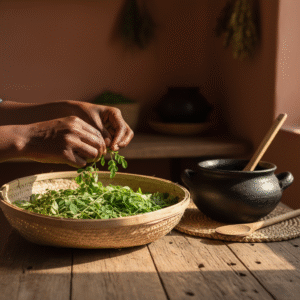 Across West and East Africa, moringa leaves show up like a green handshake familiar, nourishing, versatile. In northern Nigeria (Hausa: “zogale”), tender leaves join groundnut sauces; in Ethiopia (M. stenopetala, “shiferaw”), leaves simmer into savory stews. In South Africa, community growers in Limpopo and KwaZulu-Natal have expanded women-led farms and co-ops, shade drying leaves for year-round use. The flavor? Earthy, slightly peppery think spinach meets matcha, but more grounded.
- Nourishment: Dried leaves are protein-rich for a leafy green (often cited around 20–30% by weight) and bring iron, calcium, and potassium useful in community nutrition programs where a spoonful of leaf powder lifts porridge into a fuller meal.
- Everyday wellness: Traditional use includes digestion support, seasonal resilience, and topical poultices for minor skin abrasions.
- Water wisdom: Crushed moringa seeds carry positively charged proteins that bind impurities; village practice and research show they can reduce turbidity by roughly 90–99% in cloudy water before boiling or filtering.
Asia: Ayurveda, village soups, and daily greens
In South Asia, moringa (Sanskrit: “shigru”) appears in Ayurveda texts as a warming, pungent plant used to stoke digestion and ease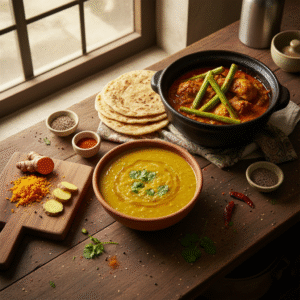 heaviness, often paired with spices like ginger. In Tamil Nadu, drumstick pods swim in sambar; in Kerala fish curries, they lend vegetal sweetness; in the Philippines (malunggay), leaves fortify tinola and postpartum soups an everyday ritual to replenish new mothers. In Sri Lanka, leafy mallung and brothy curries keep the kitchen bright and mineral-rich.
- Ayurvedic lens: Traditionally used to kindle digestive fire and balance damp heaviness (without clinical claims).
- Postpartum kitchen: Leaves often appear in soups and porridges to nourish mothers food first, as aunties like to say.
- Household oil: “Ben oil” (from seeds) is a classic lamp and massage oil in parts of India light, stable, and subtly nutty.
What parts do healers use—and why
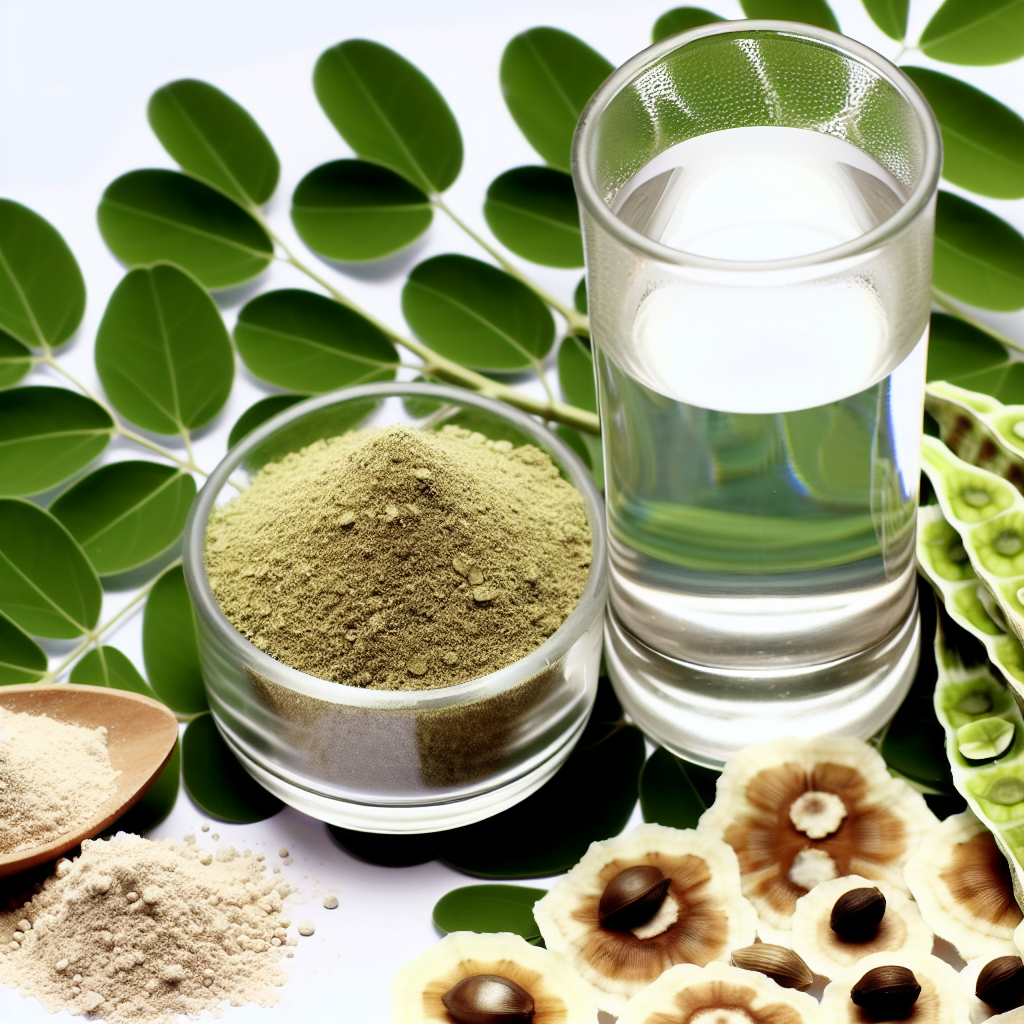
- Leaves: The everyday hero. Fresh or dried into a velvety green powder. Aroma: grassy, clean. Traditionally stirred into porridge, stews, teas. In my kitchen, 1 teaspoon in a lemony broth turns everything brighter.
- Pods (“drumsticks”): Tender when young; add mild sweetness to curries. The texture is silky and satisfying.
- Seeds: For flocculating cloudy water in village practice; also pressed into a clear, stable culinary/cosmetic oil.
- Flowers: Delicate, lightly sweet; steeped as a gentle tea in some regions.
- Roots: Traditionally used in tiny amounts in some systems, but many herbalists (me included) avoid them—too strong, with safety concerns.
Note: Traditional use does not equal medical advice. If you’re pregnant, nursing, on blood sugar or blood pressure meds, chat with your practitioner before making moringa a daily thing.
From tradition to daily ritual

Sourcing shade dried leaf powder f in Limpopo, South Africa handpicked, lowh eat dried, and milled fine. Each spoon feels like a handshake with the land.
- Morning broth: Warm mug, squeeze of lemon, pinch of sea salt, 1 teaspoon moringa. Sip slowly. Taste the green. Feel the shift.
- Savory sprinkle: Over eggs, millet bowls, or lentil stew earthy, mineral, clean.
- Coconut tinola riff: A handful of leaves at the end aroma blooms like fresh rain on stone.
- Skin ritual: A drop of ben oil with rose water palms the face silky, light, no fuss.
Here’s how it stacks up in my kitchen
| Form | Traditional uses | Flavor & feel | How I use it | Notes |
|---|---|---|---|---|
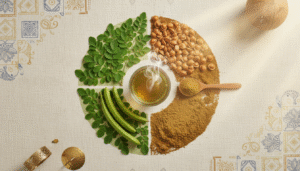
| Fresh leaves | Stews, soups, stir-fries (Africa, S. Asia, SE Asia) | Grassy, mildly peppery | Fold into curries at the end | Best when just wilted to keep the green glow |
| Dried powder | Porridges, teas, “green salt” sprinkle | Earthy, concentrated | 1/2–1 tsp in broth or smoothies | Travel-friendly; easy daily ritual |
| Pods (“drumsticks”) | Sambar, curries, broths (India, Sri Lanka) | Soft-sweet, vegetal | Simmer whole; scrape the tender flesh | Great for hearty stews |
| Seeds | Village water clarification | Neutral | Not a daily food for me | Crushed seeds bind impurities; boil/filter after |
| Ben oil | Lamp, massage, light cooking | Clean, subtly nutty | Finishing oil, face oil | Stable, non-greasy, absorbs quick |
FAQ
Is moringa really used in traditional African and Asian medicine?
Yes. From Hausa “zogale” salads to Filipino malunggay soups and Ayurvedic “shigru,” moringa has long been a food-first remedy supporting digestion, daily strength, and postpartum nourishment in community practice.
How do people use moringa seeds for water?
Crushed seeds are swirled into cloudy water; their natural proteins bind particles so they settle. Practical studies show ~90–99% turbidity reduction. It’s a pre-treatment step people still boil or filter afterward.
What does moringa taste like?
Think bright green with a gentle pepper finish. Fresh leaves taste like a sturdier spinach; powder leans earthy, like a mellow matcha. A squeeze of lemon lifts it beautifully.
Can I take moringa every day?
Many folks do, as a food. I start friends at 1/2–1 teaspoon of leaf powder daily. If you’re pregnant, nursing, or on meds (especially for blood sugar or blood pressure), check with your clinician before making it a habit.
Where is moringa grown and sourced ethically?
Native to South Asia and widely grown across Africa. I look for women-led farms in South Africa and community co-ops in East/West Africa with shade-dried leaves, low-heat processing, and transparent pay.
Does tradition say moringa helps with energy?
Traditionally, people reach for it when they want steady, mineral-rich nourishment not a jolt. It’s more slow flame than spark.
Are the roots used?
Roots appear in some old formulas, but many modern herbalists avoid them due to safety concerns. Leaves are the gentlest, most food-like choice.
What’s a simple starter ritual?
Warm broth, a squeeze of lemon, pinch of sea salt, and 1 teaspoon moringa. Sip. One scoop. One ritual. One glow.
Across Africa and Asia, moringa’s role is simple and profound: everyday food that nourishes, comforts, and helps communities care for water and wellbeing. Bring that wisdom home in small, steady sips. Stir it into your mornings, fold it into your soups, and let the green do its quiet work.
Internal Linking Suggestions
- Moringa 101: sourcing, farming, and our women-led partners in South Africa
- How to brew moringa tea (hot and iced) without bitterness
- Recipes: tinola-inspired broth, lemon-moringa millet bowl, and green coconut stew
- Moringa vs. matcha: flavor, rituals, and when I reach for each
External Suggestions
- FAO (Food and Agriculture Organization) overview on moringa cultivation and nutrition
- Peer-reviewed overview (NCBI/Phytotherapy Research): “Moringa oleifera: A review of the medical evidence for its nutritional, therapeutic, and prophylactic properties”
- Moringa seeds for water clarification (Journal/NCBI resource)