
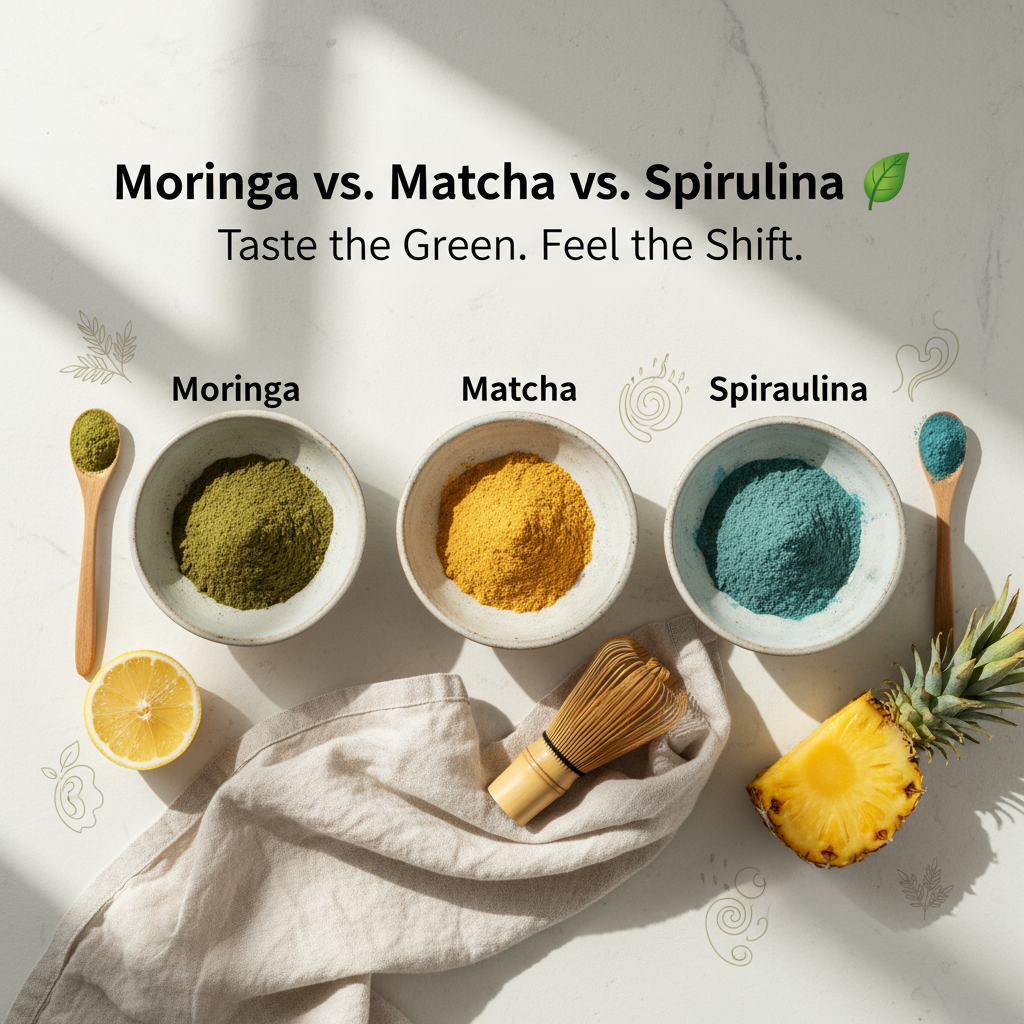
Moringa vs matcha and spirulina let’s make it simple and soulful. If you’ve ever wondered which green belongs in your cup or smoothie, this guide is your calm, grounded answer. I’ll share how I use each, what they’re best for, and where they shine. Taste the green. Feel the shift.
If you’re choosing between moringa vs matcha and spirulina: moringa is your caffeine-free daily green with fiber and minerals, matcha is your smooth energy with L-theanine, and spirulina is your protein-dense algae with a bold ocean taste. Pick based on vibe and need steady glow (moringa), calm focus (matcha), or protein punch (spirulina).
The big picture: moringa vs matcha, spirulina, and friends
Here’s the clear, grounded view what each green brings to the ritual.
What moringa brings
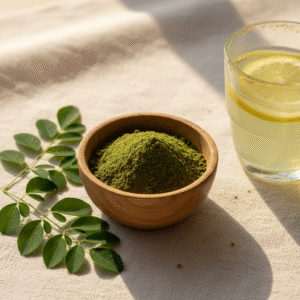
Moringa leaf powder (Moringa oleifera) is a caffeine-free, earthy green with gentle bitterness and a subtle nutty finish. It offers plant compounds (like quercetin and chlorogenic acid), fiber, and minerals (notably potassium, calcium, iron). A typical 1–2 tsp (2–5 g) serving blends easily into smoothies, oats, or a warm “green latte.” It’s a steady, everyday green easy on the system, deeply nourishing.
What matcha brings
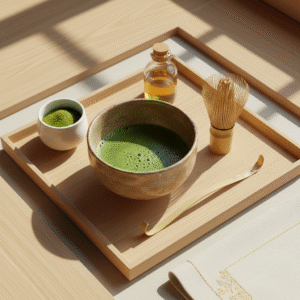
Matcha is stone-ground green tea. Per 1–2 g, it usually delivers about 55–70 mg caffeine (varies by grade) plus L-theanine for smoother focus. Rich in catechins (like EGCG), it’s a bright, creamy, umami cup when whisked well. Reach for matcha when you want alertness without the jitters, a ritual that feels precise and serene.
What spirulina brings
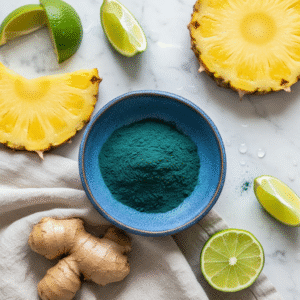
Spirulina (Arthrospira) is a blue-green algae powder known for protein density roughly 4 g protein per tablespoon (~7 g) plus iron and phycocyanin, the blue antioxidant pigment. The taste is decidedly oceanic. It’s for days you want a protein boost from plants with minimal volume. Quality matters look for tested, microcystin-free sources.
Origin and stewardship (the story matters)
My moringa is shade-dried and milled in small batches from women-led farms across Southern Africa think Limpopo heat and careful hands at harvest. Moringa trees are drought resilient with a modest water footprint, making them a thoughtful choice for both body and land. Matcha thrives in shaded tea gardens of Japan; quality depends on careful shading and stone grinding. Spirulina is cultivated in covered ponds; purity depends on clean water and strict testing. Choosing trusted growers supports both your cup and the communities behind it.

- Caffeine: Moringa: none. Matcha: moderate (often 55–70 mg per 2 g). Spirulina: none.
- Protein (per typical serving): Spirulina leads; moringa is moderate; matcha is minimal.
- Antioxidants: Matcha shines in catechins; moringa offers diverse polyphenols; spirulina brings phycocyanin.
- Taste: Moringa = green, spinach-like; Matcha = grassy-umami; Spirulina = oceanic/sea breeze.
Taste, ritual, and how to use each
Let your senses lead. Your routine should feel like care, not a chore.
My daily moringa routine
Morning or midday, I blend 1 tsp moringa with warm oat milk, cinnamon, and a drizzle of honey. Earthy, soft, gently sweet. It’s my caffeine-free glow-up steady, mineral rich nourishment.
Matcha when I need presence
On focused days, I whisk 1–2 g matcha with 70–80°C water, then top with warmed milk. The aroma is grassy and creamy; the energy is clean theanine wraps the caffeine in calm.
Spirulina for protein and color
In a smoothie, I pair 1 tsp spirulina with pineapple, lime, and ginger. The citrus brightens the ocean notes. It’s a lean, green protein lift without heaviness.
Local love, global standards
- South Africa: Moringa thrives in Limpopo, Mpumalanga, and KwaZulu-Natal. Women-led co-ops hand-strip leaves and shade dry to protect nutrients.
- Quality cues: Low-temperature drying, lab tested for heavy metals, and batch traceability especially for spirulina. For matcha, look for vibrant color and harvest grade.
Comparison table here’s how it stacks up in my kitchen
Format: I keep it simple and practical so you can choose by feel and function.
Moringa
- Best for: Daily, caffeine-free greens and minerals
- Key actives: Polyphenols (quercetin, chlorogenic acid), fiber, potassium, calcium, iron
- Caffeine: None
- Taste & aroma: Green, spinach-like, softly nutty
- Typical serving: 1–2 tsp (2–5 g)
- Use it in: Smoothies, warm lattes, soups, pesto
- Sustainability notes: Drought resilient tree; supports smallholder farms
Matcha
- Best for: Calm energy, focus, tea ceremony vibes
- Key actives: Catechins (EGCG), L-theanine
- Caffeine: Moderate (~55–70 mg per 2 g; varies)
- Taste & aroma: Grassy, umami, creamy when whisked
- Typical serving: 1–2 g
- Use it in: Whisked tea, lattes, matcha chia
- Sustainability notes: Shade-grown; quality linked to careful farming
Spirulina
- Best for: Plant protein boost and blue-green phytonutrients
- Key actives: Protein, iron, phycocyanin
- Caffeine: None
- Taste & aroma: Oceanic, marine
- Typical serving: 1 tsp (3–4 g) up to 1 tbsp (~7 g)
- Use it in: Citrus-forward smoothies, energy balls
- Sustainability notes: Controlled ponds; purity depends on strict testing
When to choose which
- Choose moringa when you want caffeine-free nourishment, a gentler taste than algae, and mineral-rich greens you can sip any time from Joburg mornings to late-night study sessions.
- Choose matcha for a clear, focused lift with a mindful whisking ritual. Great pre-work, creative sessions, or gentle pre-run energy.
- Choose spirulina when you need efficient plant protein and don’t mind a bolder ocean note smoothies love it with pineapple, mango, or lemon.
- Mix mindfully: Moringa + matcha makes a calmer latte; moringa + spirulina rounds out protein and minerals in a single blend.
Safety and notes
- Medications: Moringa may influence blood sugar or blood pressure; check with your clinician if you’re on related meds.
- Pregnancy/breastfeeding: Use food like amounts and consult your provider.
- Quality: For spirulina, insist on third-party testing (heavy metals, microcystins). For matcha, choose reputable, shade-grown sources.
FAQ
Is moringa better than matcha?
Different tools, different gifts. Moringa is caffeine-free with fiber and minerals great for daily nourishment. Matcha offers a clean caffeine lift with L-theanine for focus. I use moringa most days and matcha when I want calm energy.
Can I take moringa and spirulina together?
Yes. I often blend 1 tsp moringa with 1/2–1 tsp spirulina in a citrus smoothie for a balanced mineral-and-protein combo. Start small to find your taste sweet spot.
How much caffeine is in matcha compared to moringa?
Moringa has zero caffeine. Matcha generally has around 55–70 mg per 2 g serving (brand and grade vary). If you’re caffeine-sensitive, choose moringa or take matcha earlier in the day.
What does each taste like?
Moringa tastes like gentle spinach with a nutty edge. Matcha is grassy and umami creamy when whisked. Spirulina tastes oceanic; brighten it with lemon, pineapple, or ginger.
Which is best for iron?
Spirulina and moringa both contain iron. Vitamin C (think lemon or citrus) can help iron absorption from plant sources I squeeze lemon into smoothies for that reason. If you have anemia, chat with your clinician for personalized guidance.

🌿 Final Sip
In my kitchen:
- Moringa is the everyday steady green.
- Matcha is the calm spark.
- Spirulina is the lean protein lift.
Choose by mood, season, and need and let taste guide you.
One scoop. One ritual. One glow.
✨ Explore Jasmine’s Moringa Ritual → MoringaHarvest.co
Internal linking suggestions
- Moringa 101: Benefits, Uses, and Rituals
- Matcha vs. Moringa: Which Green Fits Your Day?
- Recipes: Jasmine’s Moringa Latte and Green Smoothie
- Guide: How to Choose Clean, Tested Spirulina
External linking suggestions
- FAO: Moringa — Traditional Uses and Nutritional Profile (Food and Agriculture Organization)
- NCCIH: Green Tea and Health (U.S. National Institutes of Health)
- NIH ODS: Iron Fact Sheet for Consumers (Office of Dietary Supplements)